



Efficacy of wood vinegar in controlling nematodes (meloidogyne incognita and pratylenchus coffeae) in the laboratory condition(21/03/2019)

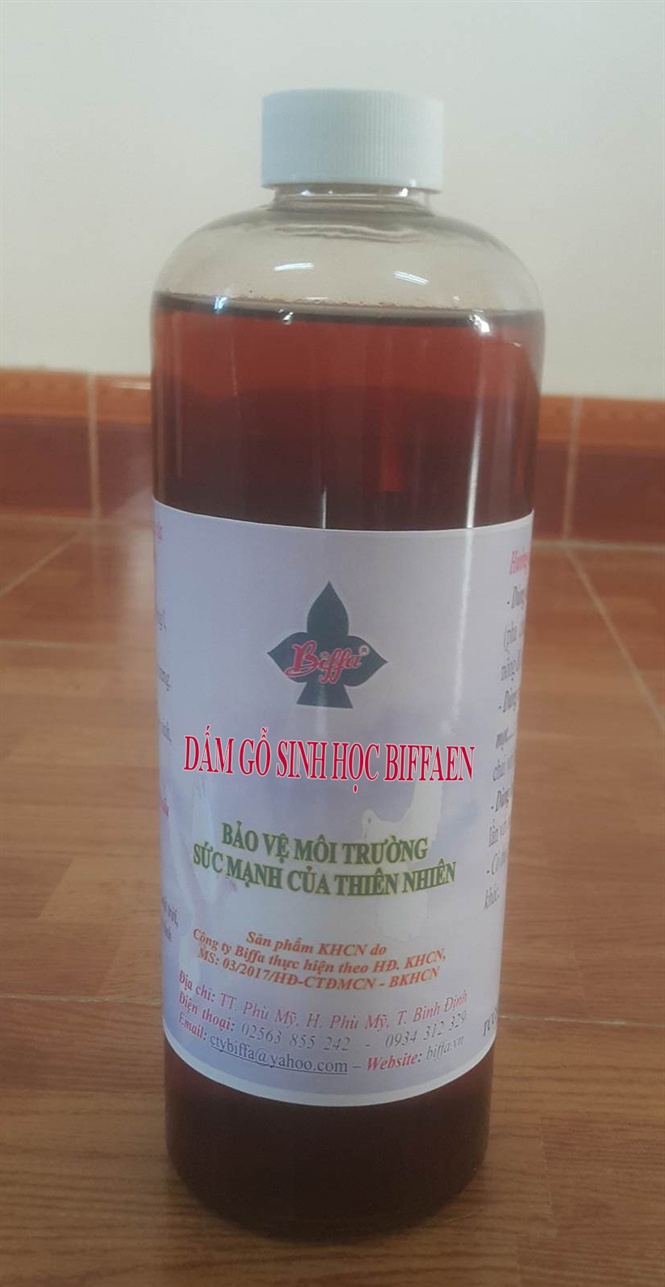
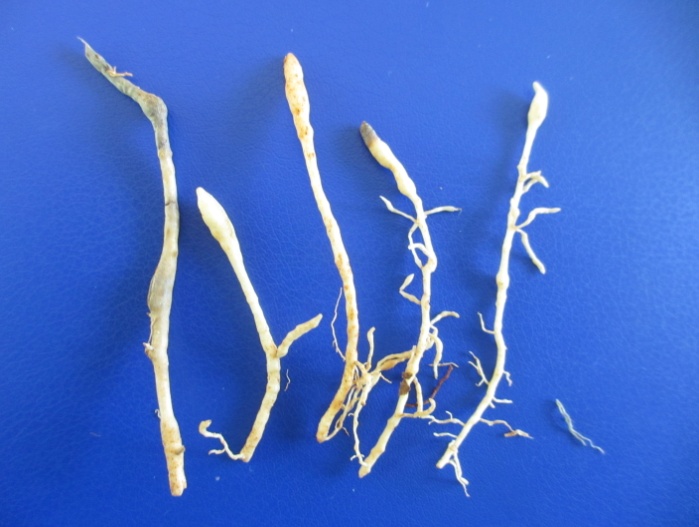
Nguyen Xuan Hoa and Nguyen Hong Phong   Wood vinegar (Pyroligneous Acid) is mainly composed by acetic acid, acetone, methanol and more 200 organic compounds. There are a lot of studies on the use of wood vinegar in agriculture such as soil improvement, growth stimulation, plant protection, weeds control, etc. Evaluation on efficacy of wood vinegar in controlling nematodes (Meloidogyne incognita và Pratylenchus coffeae) damaging coffee trees was conducted in…

Potenial of Bio-wood vinegar in control of root-knot Nematodes causing slow decline disease on black pepper(10/01/2019)

Nguyen Xuan Hoa and Nguyen Thi Thien Trang Many of the applications of bio-wood vinegar in safe agriculture are known such as soil amendation, growth stimulation, plant protection, weed control, and so on in the world. Evaluation of efficacy in control of slow decline disease by bio-wood vinegar was conducted in a trial with 4 treatments at different concentrations of bio-wood vinegar from 1 to 3% and a control treatment…

The situation of the main diseases of cocoa in Vietnam(25/08/2018)

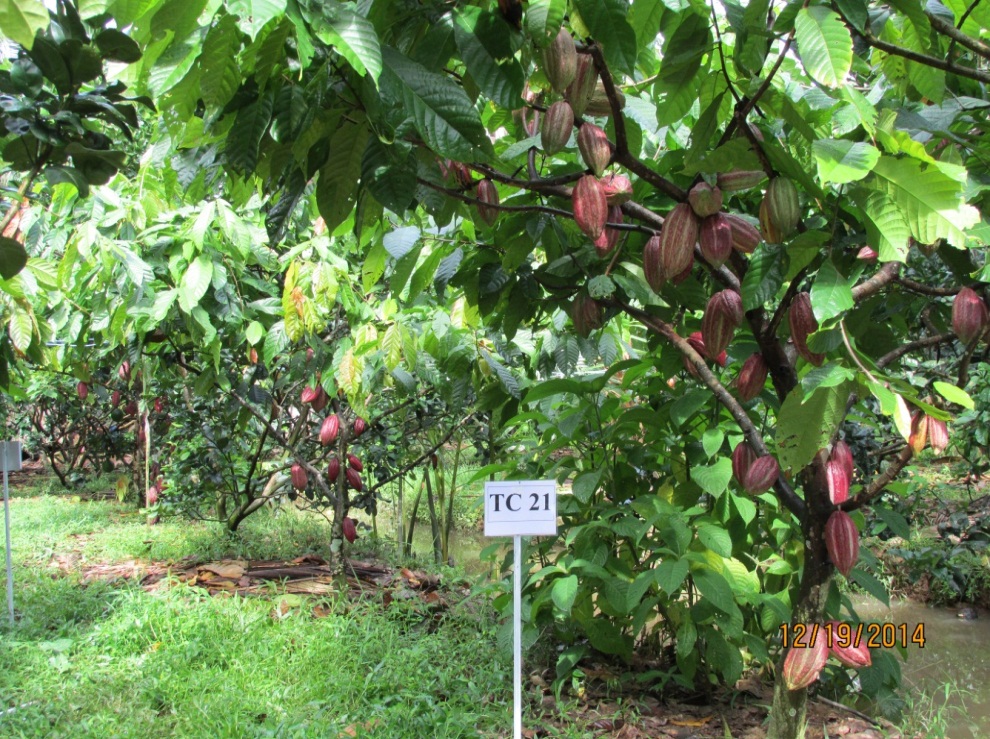
     Cocoa is suitable for growing in different areas of Vietnam and the development of cocoa is very potential. However, the development of cocoa in the past years has not fulfilled the expectation of the Ministry of Agriculture and Rural Development. One of the reasons is the inadequate awareness of famers on pests and diseases of the cocoa tree resulting in the spreading out of pests and diseases in…

(Tiếng Việt) Kết quả xây dựng mô hình tích hợp các giải pháp tái canh cà phê ngay trên nền đất không luân canh tại Đắk Lắk(18/07/2018)

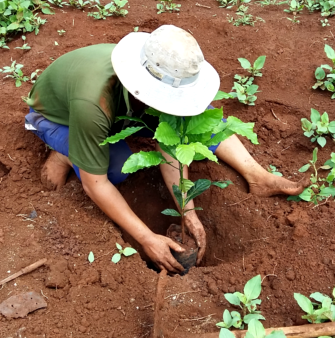
Abstract Coffee replanting is considered as one of the most important programs for sustainable coffee development in Vietnam. The results of coffee replanting depend on coffee garden condition and applied replanting techniques. In order to contribute to the success of this program, our study used all technical solutions on replanting coffee was conducted from 2016 to 2017 in Dak Lak province. The results showed that percentage of died trees were…

Ralstonia solanacearum (Smith) is an important pathogen worldwide. A new pair of primers, UDP-F and UDP-R, was designed based on the 159 bp target fragment of Chen et al. (2010) which is originated from the sequence of the upstream region of the UDP-3-O-acyl-GlcNAc deacetylase gene conserved only in R. solanacearum. The result indicated that this pair of primers could be used to detect R. solanacearum directly from the bacterial suspensions by using conventional polymerase chain reaction (PCR) technique. However, these primers had so far only been tested with close relatives (Pseudomonas syzygii and the blood disease bacterium (BDB)) of R. solanacearum, so further experimentation should be carried out to optimize the PCR technique and check the specificity and sensitivity of primers and the protocol. Furthermore, the application of these primers in real time PCR should be investigated.