







Coffee production in Cuba(25/09/2020)
For more information: khoahoc@wasi.ac.vn


For more information: khoahoc@wasi.ac.vn
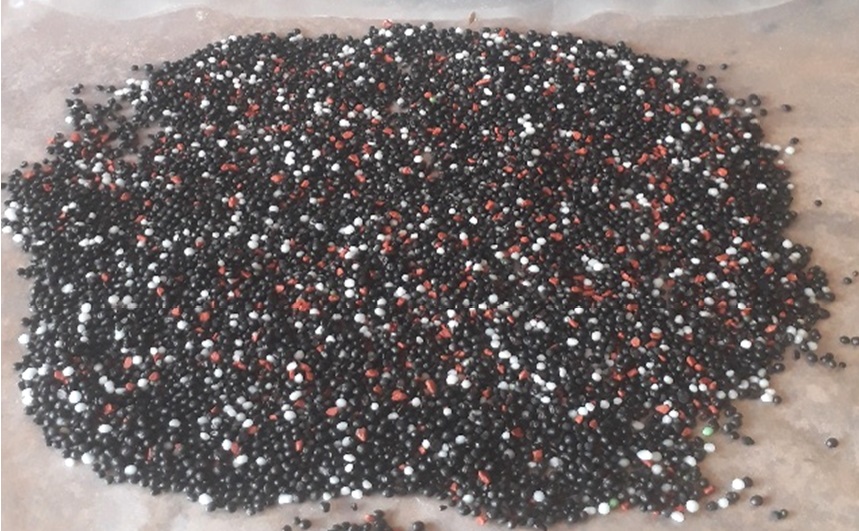
Nguyễn Thị Hồng Hạnh, Đinh Thị Nhã Trúc, Phan Việt Hà The Western Highland Agriculture and Forestry Science Institute In coffee intensive farming, most farmers use soluble chemical fertilizers. However, when facing unfavorable conditions, a large amount of fertilizer will be lost; leading to reduces cost-effectiveness and increases the risk of environmental pollution. Therefore, the experiment “Research on the suitable dose of controlled release fertilizer for Robusta coffee in mature…

Nguyen Xuan Hoa, Ph.D and Nguyen Thi Thien Trang, BA. Division of Agriculture System This study was carried out to evaluate the effectiveness of biopreparation against Fusarium oxysporum in coffee. The experiment was conducted on an 8-year-old coffee, arranged in a randomized complete block design (RCBD) with 4 formulas, 3 replications, 9 coffee trees per plot; between two plots, there is a row of coffee to separate. One liter of…

Coffee production includes cultivation activities such as weeding, spraying, watering, and fertilizing. According to the result of the Western Highlands Agriculture and Forestry Science Institute on surveying 150 coffee farmers, farmers apply mechanization in soil preparation and farming (tending, harvesting, post-harvest); 46.27% of surveyed farmers using machines to plow, cultivate and dig holes; 100% farmers do not apply mechanization in fertilization and shaping. Farmers mainly apply mechanization in weeding and…
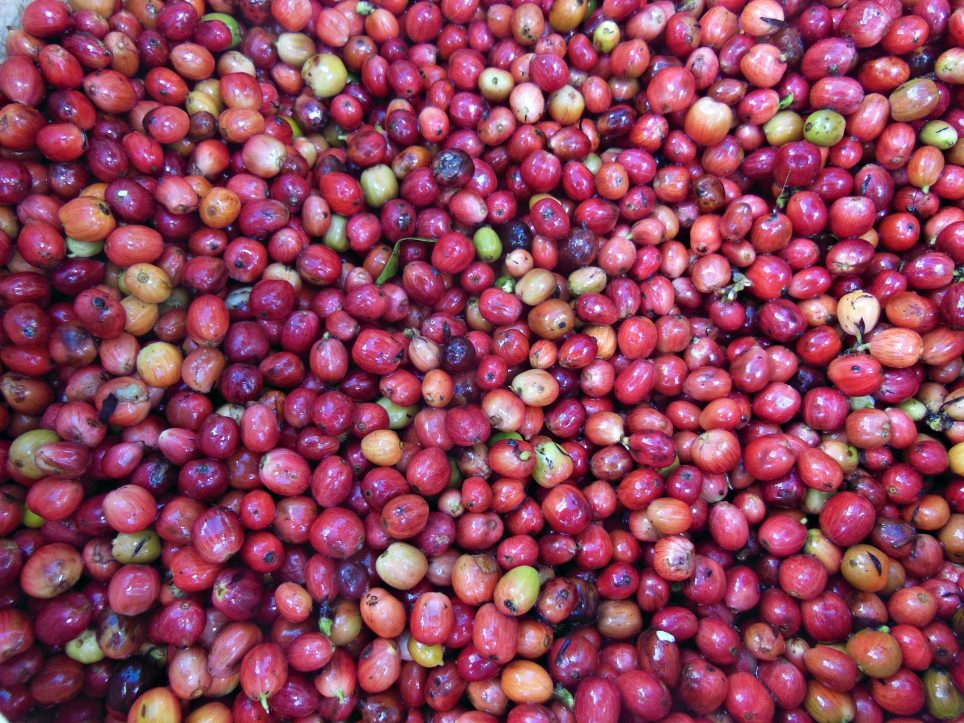
After 30 years of development, Vietnam’s coffee industry is facing severe challenges such as climate change; competition of other crops; need to replace ageing coffee trees; production costs are increasing higher while world coffee prices are at very low levels. Due to intense competition, Vietnam’s policy of coffee production has shifted to a new era with two objectives: firstly, to maintain its position as the world’s second largest producer and…
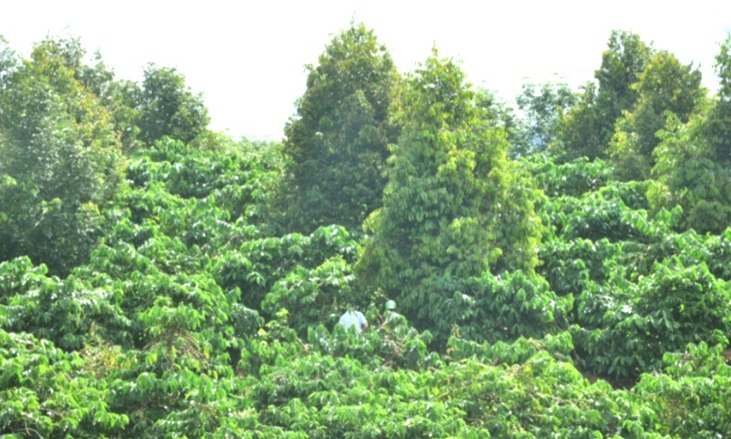
Dinh Thi Nha Truc, M.Sc Division of Agriculture System According the survey result on intercropping systems in coffee farms in the Central Highlands (Vietnam), there were four popular plants used to intercrop with coffee, such as durian (Durio Zibethinus), black pepper (Piper Nigrum L.), avocado (Persea Americana) and cashew (Anacardium occidentale L.). Because of the high intercropping density, coffee yield could only get less than 3 tons per hecta per…
This study used methanol solvent to extract active ingredients from cinnamon bark. After geting cinnamon bark extract, added chitosan powderto create biological preparations to protect coffee roots from harmful nematodes. Experimental results showed that preparations and extracts have had no effect on stimulating growth plants of aerial parts. Treatment formula for concentration of 0.2% of preparations got the highest efficiency in anti-nematicidal activity compared to other treatments. The efficiency of…

For more info.: khoahoc@wasi.ac.vn

For more info.: khoahoc@wasi.ac.vn
For more info.: khoahoc@wasi.ac.vn